
A Local’s Guide to Albuquerque’s Best Restaurants and Hidden Food Spots
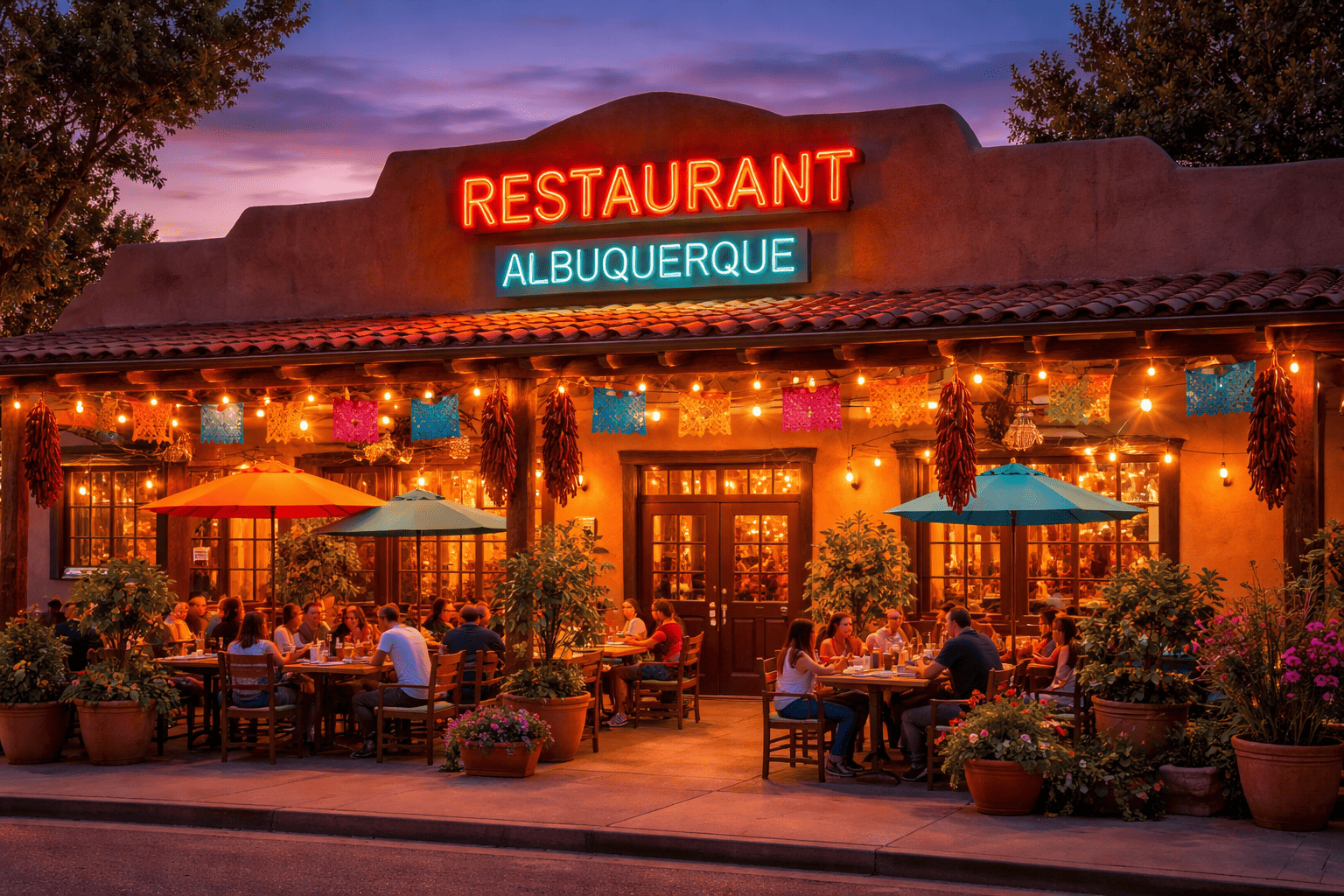
One of the best ways to get to know Albuquerque is to eat your way through it. The city’s food scene is shaped by Native American, Spanish, Mexican, and broader Southwestern influences, and the defining ingredient is chile. That gives Albuquerque a flavor identity that feels specific to place. It also has more range than many first-time visitors expect, with everything from classic diners and tamale counters to food halls, breweries, and chef-driven restaurants.
For visitors, the smartest move is not to chase a giant list of random places. It is better to explore Albuquerque by neighborhood. Each part of the city has its own feel, and the food often reflects that. A local-style food trip is not only about what you order. It is also about where you eat it and the atmosphere around it.
Before anything else, first-time visitors should try true New Mexican food. Albuquerque’s local cuisine is known for dishes like enchiladas, tamales, breakfast burritos, carne adovada, sopaipillas, and green chile cheeseburgers. The city’s famous question, red or green, shows just how central chile is to the dining experience. If you cannot decide, order Christmas and get both.
Old Town is one of the easiest places to begin. It offers a mix of historic charm, walkability, and inviting restaurants, which makes it ideal for visitors who want a meal along with sightseeing. You can browse shops and galleries, then settle in for lunch or dinner without needing to drive somewhere else. It is a comfortable introduction to Albuquerque dining, especially if you want regional food in a setting that feels distinctly New Mexican.
Nob Hill gives you a different side of the city’s food scene. Along Central Avenue, the neighborhood offers more variety and a slightly trendier energy. It is a good area for visitors who want choices, whether that means a polished dinner, casual lunch, coffee stop, cocktails, or dessert. Nob Hill works well because it feels lively without losing its local character.
Downtown Albuquerque is another good option, especially if your plans already include nightlife, live music, or an evening event. The dining scene there tends to pair naturally with a night out. You may not go Downtown searching for one iconic local dish, but it is a strong place for atmosphere, convenience, and mixing food with the broader energy of the city.
Sawmill Market is one of the easiest recommendations for first-time visitors. Food halls can sometimes feel generic, but this one works because it gives you a low-pressure way to sample a range of local flavors. It is especially useful when you are traveling with a group and nobody wants the same thing. It also sits near Old Town, which makes it easy to fold into a sightseeing day.
If you want food that feels more local and less polished for tourists, head toward Barelas and the South Valley. This is where some of Albuquerque’s most memorable hidden food spots live. The area reflects older community roots and often rewards travelers who care more about flavor and authenticity than trendiness. Some of the city’s classic diners, burrito counters, and tamale spots are found in this part of town.
That local dimension is part of what makes Albuquerque’s food scene special. The city is not trying to impress with flash alone. Some of the best meals come from humble places with long histories, strong regular followings, and recipes that feel tied to family, neighborhood, and tradition. If you are the kind of traveler who values memorable meals over fancy décor, Albuquerque can be especially rewarding.
A good Albuquerque food trip should include at least a few essentials. Breakfast burritos are almost non-negotiable. Enchiladas, tamales, carne adovada, and a green chile cheeseburger should also be on the list. If you are visiting during chile roasting season, the smell of roasting green chile adds another layer to the whole city and becomes part of the experience itself.
Albuquerque also works well for people who do not want every meal to be the same. While New Mexican food is the star, the city also has strong options for coffee, breweries, bakeries, casual lunch spots, modern American menus, and more. That mix is part of the city’s charm. You can lean heavily into local cuisine or balance it with other styles depending on how you like to travel.
In the end, the best restaurants in Albuquerque are not all concentrated in one district, and that is part of the fun. Old Town gives you atmosphere, Nob Hill gives you range, Downtown gives you energy, Sawmill gives you variety, and Barelas gives you some of the most authentic local flavor in the city. Together, they show why Albuquerque is one of the Southwest’s most underrated food destinations.
