Top Family-Friendly Attractions in Albuquerque, New Mexico

Top Family-Friendly Attractions in Albuquerque, New Mexico

Top Family-Friendly Attractions in Albuquerque, New Mexico

Albuquerque is a strong family destination because it mixes hands-on museums, animal encounters, outdoor space, and easy sightseeing in a way that works for a wide range of ages. Some kids want animals, some want room to run, and some do best when they can touch, build, and experiment. Albuquerque gives families all three, often within a short drive of each other.

The ABQ BioPark is one of the easiest top picks because it is not just one attraction. It includes the Zoo, Aquarium, Botanic Garden, and Tingley Beach, which means parents can build a trip around different energy levels and interests. You can choose one stop for a shorter outing or turn it into a full day if the family has the stamina.

The Zoo is a reliable favorite because it works for almost every age group. Younger children can enjoy the excitement of seeing animals up close, while older kids still have enough variety to stay engaged. It is one of those attractions that tends to feel like a safe bet when you are visiting a city for the first time with children.

The Aquarium and Botanic Garden add another layer to the BioPark experience. The Aquarium gives families a cooler, more contained setting with fish and underwater exhibits, while the Botanic Garden offers outdoor walking paths, themed areas, and playful spaces. Together, they make a nice balance between calm indoor time and outdoor movement.

Explora Science Center is one of Albuquerque’s best options for families who want truly hands-on fun. It gives kids the chance to test, build, experiment, and learn through play rather than just observing from a distance. For many families, it becomes one of the most engaging stops of the trip because it lets children do more than just look.

The Balloon Museum is another strong family attraction because it connects to one of Albuquerque’s most iconic identities. It blends history, science, imagination, and movement in a way that feels educational without being dry. Even children who are too young to understand the details of ballooning can still enjoy the color, scale, and sense of wonder the museum creates.

Tingley Beach is a great option when a family wants some fresh air without committing to a long hike or a major ticketed attraction. It gives kids room to move around and gives parents a break from more structured sightseeing. That flexibility is valuable on family trips, especially when younger children need a slower pace.

The New Mexico Museum of Natural History and Science is another appealing option for kids who love dinosaurs, fossils, planets, or hands-on learning. Natural history museums often give families a mix of fun and education, and this kind of stop can work especially well when you want a break from pure outdoor activity.

Old Town can also be more family-friendly than people expect. Because it is walkable and close to several museums and attractions, it makes it easier for parents to build a flexible day. You might start at a museum, stop for lunch, browse a few shops, and adjust the rest of the afternoon based on everyone’s energy level.

One reason Albuquerque works well for families is that it does not force you into one kind of vacation. You can make a trip educational, playful, outdoorsy, or low-key depending on your kids’ ages and interests. The city gives families enough variety that parents can adapt instead of feeling locked into one style of itinerary.

In the end, Albuquerque’s best family-friendly attractions work because they cover different kinds of fun. The BioPark gives you animals, gardens, and aquariums. Explora gives you hands-on science. The Balloon Museum adds imagination and local identity. Tingley Beach gives you room to relax. That variety is exactly what makes Albuquerque such a good city for family travel.
What Makes Albuquerque’s Culture, Art, and History So Special

What Makes Albuquerque’s Culture, Art, and History So Special

What Makes Albuquerque’s Culture, Art, and History So Special

Albuquerque is special because it does not feel like a city built from just one story. Its identity comes from layers of Native, Hispanic, Mexican, and Anglo influences, all shaped by the high-desert landscape and centuries of history. That mix shows up everywhere, from adobe architecture and public art to museums, festivals, food, and neighborhood traditions. For visitors, Albuquerque feels distinct not because it is trying to be trendy, but because its culture is deeply rooted and still very much alive.

One of the biggest reasons Albuquerque stands out is its connection to Pueblo culture. The city gives visitors access to a deeper understanding of New Mexico through institutions, art, food, and educational experiences that highlight Pueblo history and living traditions. That matters because it reminds people that Native history here is not only something from the distant past. It remains present and central to understanding the region today.

That living connection gives Albuquerque a depth many cities do not have. A lot of places can point to historic buildings or museums, but Albuquerque also offers cultural experiences that continue to shape daily life. You are not just looking at preserved history behind glass. You are seeing a place where heritage still informs art, storytelling, food, dance, and community identity.

Another major piece of Albuquerque’s identity is its Hispanic and Chicano heritage. That influence is visible in language, architecture, cuisine, celebrations, and art across the city. It gives Albuquerque a cultural foundation that is not limited to history alone, but also includes contemporary creativity and evolving artistic expression.

This blend of Native and Hispanic influence is part of what makes Albuquerque feel different from many other Southwestern cities. The culture is not presented as a simplified brand. Instead, it comes through in multiple forms, including neighborhood character, local food, design, public events, and major cultural institutions. The result is a city whose identity feels layered instead of packaged.

Old Town is one of the clearest examples of that. Walking through the plaza and surrounding streets shows how history still shapes the city’s atmosphere. The adobe-style buildings, central church, galleries, and local shops create a place where the past and present sit side by side. It feels historic, but not frozen.

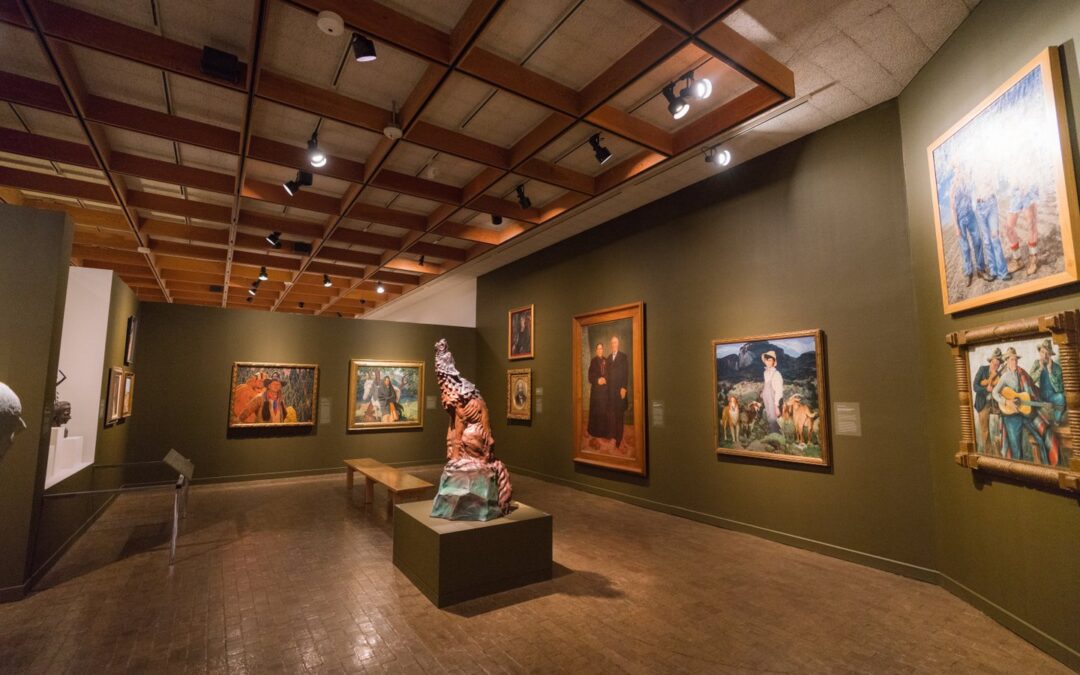
Art is another major reason Albuquerque stands out. The city’s museums and galleries are not only focused on preserving artifacts. They also showcase living artists, changing exhibitions, and regional creativity. That means Albuquerque’s art scene feels tied to place. It reflects the desert, the history, and the people who continue to shape the region.

Even science and natural history play a role in the city’s cultural identity. Albuquerque’s museums help connect the human story of the area with the larger story of New Mexico’s geology, wildlife, and prehistoric life. In a city framed by mountains, river, and volcanic features, natural history becomes part of the cultural experience too.

The landscape matters more than people sometimes realize. The Sandia Mountains, the Rio Grande bosque, the adobe tones, and the wide skies all influence how Albuquerque looks and feels. Cultural institutions, historic districts, and public spaces exist within a setting that already has a powerful visual identity. That helps give the city’s art and history more impact.

What also makes Albuquerque special is that its culture is accessible. Visitors do not need to be experts in art history or Southwest history to appreciate it. They can explore a museum, eat New Mexican food, visit a cultural center, walk through a historic neighborhood, or attend a community event and still come away with a meaningful sense of the city.

In the end, Albuquerque’s culture, art, and history are special because they feel real. The city does not rely on one famous attraction to tell its story. Instead, it offers a fuller experience shaped by living traditions, deep historical roots, creative energy, and a landscape that strengthens everything around it. That combination gives Albuquerque a personality that is hard to copy and easy to remember.

The Best Outdoor Activities in Albuquerque for Adventure Lovers

The Best Outdoor Activities in Albuquerque for Adventure Lovers

The Best Outdoor Activities in Albuquerque for Adventure Lovers

Albuquerque is one of those rare cities where outdoor adventure is not a side activity. It is part of the city’s identity. With the Sandia Mountains rising to the east, the Rio Grande bosque running through the metro area, volcanic terrain on the west side, and sunshine most of the year, Albuquerque makes it easy to mix urban exploration with time outside. For people who love movement, scenery, and a little bit of adrenaline, the city has a lot to offer.

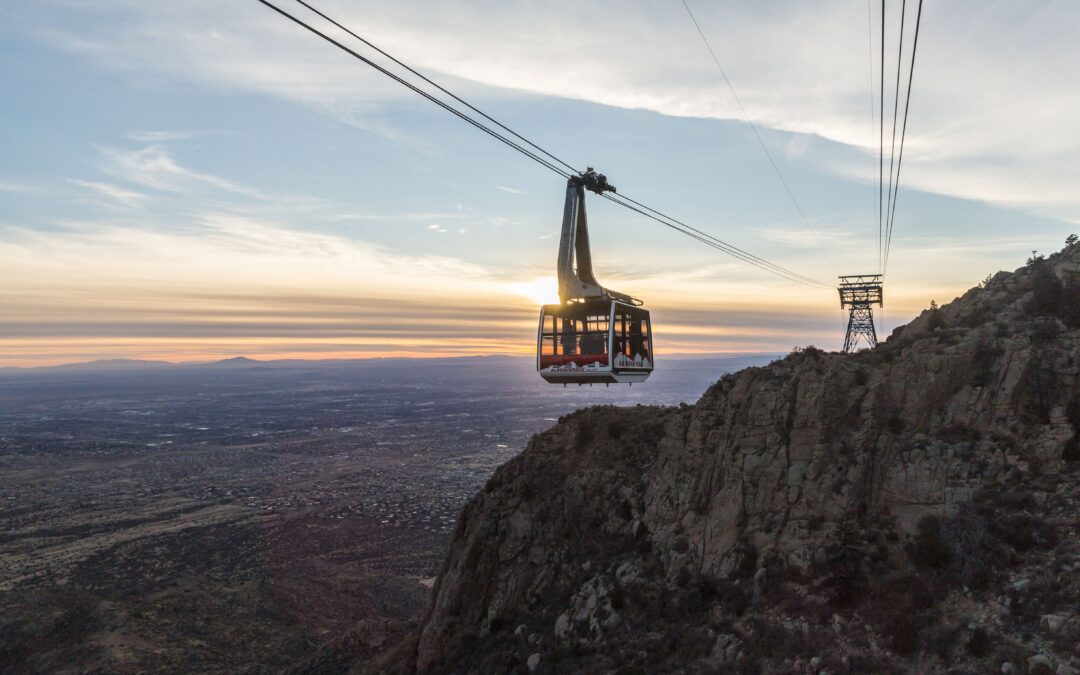
One of the most iconic outdoor experiences in Albuquerque is the Sandia Peak Tramway. Riding the tram into the mountains gives visitors a thrilling overview of the city and the surrounding desert. The views stretch for miles, and the climb itself feels like an experience rather than just transportation. For first-time adventure lovers, it is one of the easiest ways to get a big scenic payoff without having to start with a long hike.

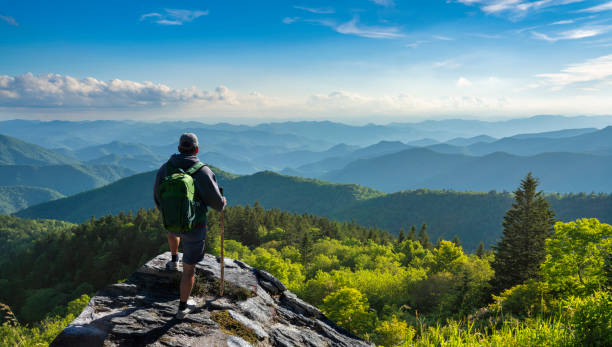
If you want something more active, the Sandia Mountains and nearby foothills offer extensive hiking options. One of Albuquerque’s biggest strengths is how quickly you can move from breakfast in town to a trail with real elevation gain and open views. There are easier routes for casual hikers and more demanding ones for visitors who want a challenge. That flexibility makes Albuquerque appealing to a wide range of outdoor travelers.

The foothills are especially attractive because they feel so close to daily city life. You do not need to plan a full expedition to get outside. A short drive can put you on a dirt trail with desert plants, mountain views, and the kind of quiet that feels far away from traffic. That convenience is part of what makes Albuquerque so appealing for active people.

Petroglyph National Monument offers a different kind of outdoor adventure. Instead of just hiking for the scenery, you walk through volcanic landscapes that also hold ancient rock carvings. That combination of history, geology, and movement makes the experience feel uniquely New Mexican. It is one of the best places in the city to combine culture and outdoor exploration in the same outing.

Another great option is the Paseo del Bosque Trail. Not every outdoor experience has to involve climbing steep trails or chasing elevation. The Bosque trail offers a greener side of Albuquerque, running alongside the Rio Grande and giving walkers, runners, and cyclists a scenic path through the cottonwoods. It is a great contrast to the foothills and western volcanic terrain.

For travelers who enjoy more speed, Albuquerque also offers strong mountain biking opportunities. The Sandia foothills provide trail variety and dry conditions that many riders appreciate. Because the city sits right next to the mountains, outdoor activities feel immediate instead of far away. That matters when you want to make the most of a weekend or short trip.

Sometimes the best outdoor activity is simply being in the right place at the right time. Albuquerque’s sunsets are famous for a reason, and spending an evening at a scenic overlook or up near the crest can become one of the most memorable moments of a trip. The Sandias glowing pink in the evening light remind you how much the landscape shapes the city’s identity.

No article about Albuquerque outdoor adventure would feel complete without mentioning hot air balloons. A balloon ride offers a different kind of adventure from hiking or biking, but it still belongs on the list. Floating above the city at sunrise gives you a perspective that feels both peaceful and unforgettable. It is less about physical effort and more about awe, but for many visitors, it becomes the highlight of the trip.

One reason Albuquerque works so well for adventure lovers is the variety. In a single trip, you can hike mountain trails, bike along the river, explore a volcanic landscape, ride a tram, and end the day watching a dramatic sunset. Few cities make that mix so accessible.

In the end, Albuquerque is a great destination for adventure lovers because outdoor recreation is built into the experience of the city itself. You are never far from a trail, a view, or a landscape that feels distinctly Southwestern. That combination of access, variety, and natural beauty is what makes Albuquerque such a rewarding place for active travelers.

A Local’s Guide to Albuquerque’s Best Restaurants and Hidden Food Spots

A Local’s Guide to Albuquerque’s Best Restaurants and Hidden Food Spots

A Local’s Guide to Albuquerque’s Best Restaurants and Hidden Food Spots

One of the best ways to get to know Albuquerque is to eat your way through it. The city’s food scene is shaped by Native American, Spanish, Mexican, and broader Southwestern influences, and the defining ingredient is chile. That gives Albuquerque a flavor identity that feels specific to place. It also has more range than many first-time visitors expect, with everything from classic diners and tamale counters to food halls, breweries, and chef-driven restaurants.

For visitors, the smartest move is not to chase a giant list of random places. It is better to explore Albuquerque by neighborhood. Each part of the city has its own feel, and the food often reflects that. A local-style food trip is not only about what you order. It is also about where you eat it and the atmosphere around it.

Before anything else, first-time visitors should try true New Mexican food. Albuquerque’s local cuisine is known for dishes like enchiladas, tamales, breakfast burritos, carne adovada, sopaipillas, and green chile cheeseburgers. The city’s famous question, red or green, shows just how central chile is to the dining experience. If you cannot decide, order Christmas and get both.

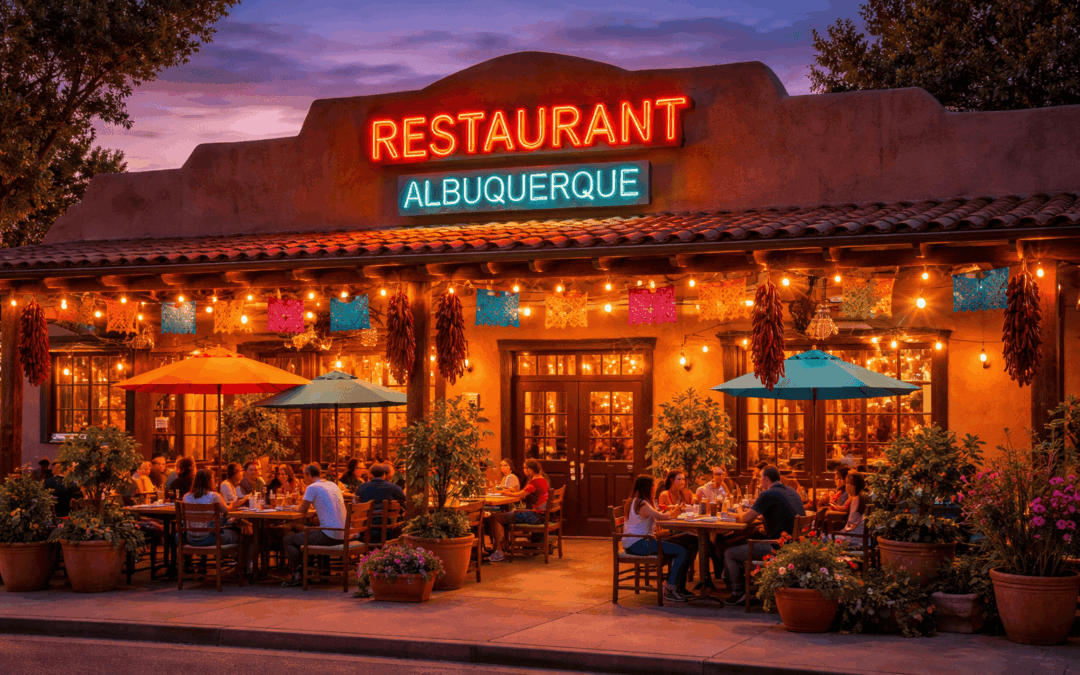
Old Town is one of the easiest places to begin. It offers a mix of historic charm, walkability, and inviting restaurants, which makes it ideal for visitors who want a meal along with sightseeing. You can browse shops and galleries, then settle in for lunch or dinner without needing to drive somewhere else. It is a comfortable introduction to Albuquerque dining, especially if you want regional food in a setting that feels distinctly New Mexican.

Nob Hill gives you a different side of the city’s food scene. Along Central Avenue, the neighborhood offers more variety and a slightly trendier energy. It is a good area for visitors who want choices, whether that means a polished dinner, casual lunch, coffee stop, cocktails, or dessert. Nob Hill works well because it feels lively without losing its local character.

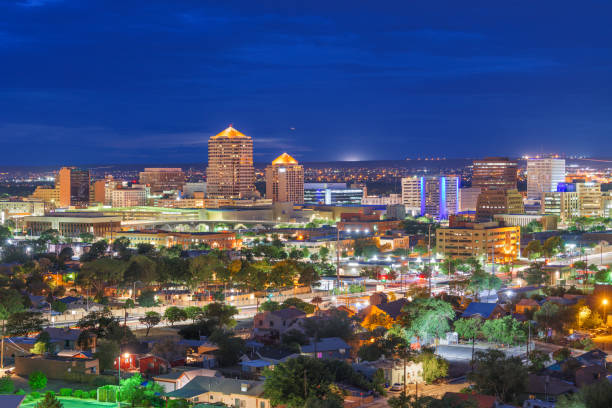
Downtown Albuquerque is another good option, especially if your plans already include nightlife, live music, or an evening event. The dining scene there tends to pair naturally with a night out. You may not go Downtown searching for one iconic local dish, but it is a strong place for atmosphere, convenience, and mixing food with the broader energy of the city.

Sawmill Market is one of the easiest recommendations for first-time visitors. Food halls can sometimes feel generic, but this one works because it gives you a low-pressure way to sample a range of local flavors. It is especially useful when you are traveling with a group and nobody wants the same thing. It also sits near Old Town, which makes it easy to fold into a sightseeing day.

If you want food that feels more local and less polished for tourists, head toward Barelas and the South Valley. This is where some of Albuquerque’s most memorable hidden food spots live. The area reflects older community roots and often rewards travelers who care more about flavor and authenticity than trendiness. Some of the city’s classic diners, burrito counters, and tamale spots are found in this part of town.

That local dimension is part of what makes Albuquerque’s food scene special. The city is not trying to impress with flash alone. Some of the best meals come from humble places with long histories, strong regular followings, and recipes that feel tied to family, neighborhood, and tradition. If you are the kind of traveler who values memorable meals over fancy décor, Albuquerque can be especially rewarding.

A good Albuquerque food trip should include at least a few essentials. Breakfast burritos are almost non-negotiable. Enchiladas, tamales, carne adovada, and a green chile cheeseburger should also be on the list. If you are visiting during chile roasting season, the smell of roasting green chile adds another layer to the whole city and becomes part of the experience itself.

Albuquerque also works well for people who do not want every meal to be the same. While New Mexican food is the star, the city also has strong options for coffee, breweries, bakeries, casual lunch spots, modern American menus, and more. That mix is part of the city’s charm. You can lean heavily into local cuisine or balance it with other styles depending on how you like to travel.

In the end, the best restaurants in Albuquerque are not all concentrated in one district, and that is part of the fun. Old Town gives you atmosphere, Nob Hill gives you range, Downtown gives you energy, Sawmill gives you variety, and Barelas gives you some of the most authentic local flavor in the city. Together, they show why Albuquerque is one of the Southwest’s most underrated food destinations.

Why Albuquerque Is One of the Most Unique Cities in the Southwest

Why Albuquerque Is One of the Most Unique Cities in the Southwest

Why Albuquerque Is One of the Most Unique Cities in the Southwest

Albuquerque stands out in the Southwest because it feels layered, not manufactured. Some cities are easy to define with one quick phrase, but Albuquerque resists that. It is historic without feeling stuck in the past, artistic without feeling performative, and outdoorsy without losing its urban identity. It sits in the high desert beneath the Sandia Mountains, shaped by Native, Hispanic, Mexican, and Anglo influences that still show up in everyday life. That combination gives Albuquerque a personality that is difficult to copy and easy to remember.

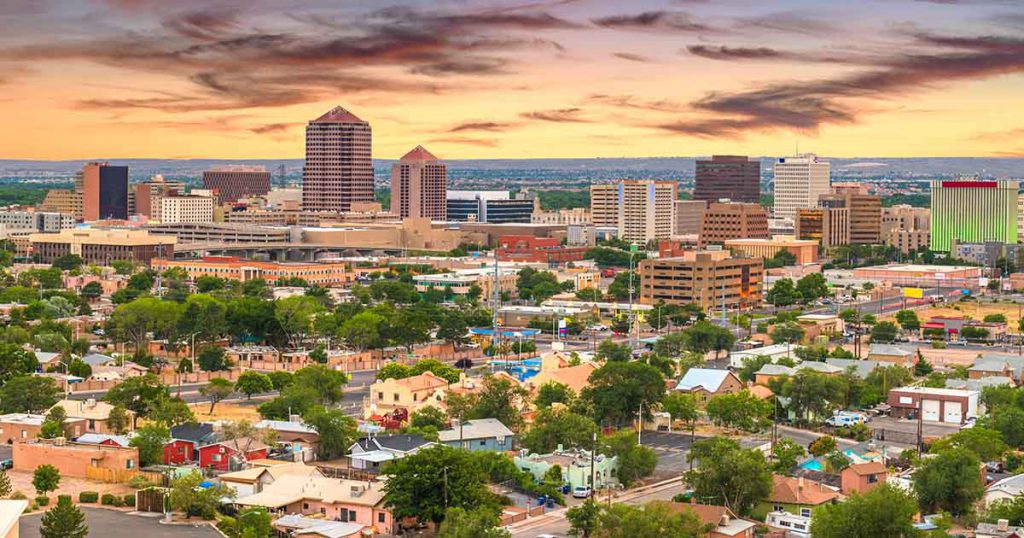
One of the first things that makes Albuquerque feel different is its landscape. The city is framed by the Sandia Mountains to the east and crossed by the Rio Grande, which means dramatic scenery is not just outside town, it is built into daily life. The sunsets can be intense, the sky often feels huge, and the contrast between mountain, river corridor, and desert gives the city a look that changes throughout the day. In many places, nature feels like a nearby attraction. In Albuquerque, it feels like part of the city’s identity.

That physical setting shapes the pace of life here. Albuquerque is large enough to have museums, neighborhoods, restaurants, and major events, but it still feels more open and breathable than many comparably sized cities. You can have coffee in town, be on a hiking trail soon after, and still make it back in time for dinner in Old Town or Nob Hill. That balance between city life and outdoor access is one of the reasons Albuquerque appeals to people who want convenience without constant congestion.

Another reason Albuquerque is unique is its cultural depth. The city’s identity is not built from one single influence. Pueblo culture, Hispanic traditions, Spanish colonial history, Mexican heritage, Route 66 nostalgia, and modern Southwestern creativity all overlap here. You can see it in the architecture, hear it in the language, taste it in the food, and feel it in the way neighborhoods differ from one another. Albuquerque does not present culture as a theme. It feels lived in.

Old Town is a perfect example of that. It remains one of the clearest expressions of the city’s historic roots, with adobe-style buildings, a central plaza, local shops, galleries, and a pace that encourages walking rather than rushing. But Albuquerque’s character is not limited to one district. Nob Hill has a different energy, with a more modern and design-forward feel. The Barelas and South Valley areas reflect older local traditions and strong community identity. The Foothills and North Valley offer still other versions of Albuquerque life. The city feels varied, which keeps it from becoming predictable.

Food is another major reason Albuquerque feels distinct. New Mexican cuisine is not the same as Mexican food, Tex-Mex, or generic Southwestern food. It has its own ingredients, traditions, and flavors, and chile sits at the center of that identity. Red chile and green chile are more than condiments here. They are part of the city’s language and personality. A meal in Albuquerque often tells you something about the place, whether you are eating breakfast burritos, carne adovada, enchiladas, tamales, or a green chile cheeseburger.

Albuquerque also has a creative side that gives it more texture than many visitors expect. There are museums, murals, artisan shops, cultural centers, public events, and a visual character that feels deeply tied to New Mexico. The city’s art scene does not feel detached from place. It feels informed by the desert, the sky, the history, and the communities that shape the region. That is part of why Albuquerque often leaves a stronger impression than cities that may look more polished at first glance.

Then there is the Balloon Fiesta, which has become one of Albuquerque’s defining images. Plenty of cities have a signature event, but Albuquerque’s connection to ballooning feels unusually natural. The weather, geography, and open skies all contribute to why ballooning works so well here, and the sight of balloons rising over the city has become a symbol of Albuquerque itself. It is not just a famous festival. It feels like an extension of the landscape and the atmosphere of the place.

Another thing that makes Albuquerque unique is that it can feel both relaxed and intense at the same time. It has a laid-back rhythm in many parts of daily life, yet the scenery is dramatic, the history is deep, and the culture is vivid. That contrast gives the city an edge. It is not sleepy, but it is not frantic either. It has enough energy to stay interesting while still leaving room to breathe.

Albuquerque is also one of the most accessible ways to experience the Southwest without reducing it to clichés. It offers adobe architecture, mountain views, chile, art, Indigenous culture, and historic neighborhoods, but it also feels like a working, lived-in city rather than a postcard version of the region. That balance matters. It gives visitors and residents a more honest experience of place.

In the end, Albuquerque is one of the most unique cities in the Southwest because it is not built around one attraction or one easy label. It is a city of overlap: old and new, urban and outdoorsy, artistic and practical, historic and evolving. The mountains, the food, the culture, the neighborhoods, and the atmosphere all work together to create something that feels unmistakably Albuquerque. And once you spend time there, it is hard to confuse it with anywhere else.

10 Best Things To Do in Albuquerque for First-Time Visitors

10 Best Things To Do in Albuquerque for First-Time Visitors

10 Best Things To Do in Albuquerque for First-Time Visitors

If you are visiting Albuquerque for the first time, you are stepping into a city that feels different in the best way. Albuquerque blends mountain views, high-desert scenery, deep cultural roots, historic neighborhoods, museums, and outdoor adventure in a way few cities can. It is the largest city in New Mexico, but it still feels approachable, laid-back, and full of local character.

One of the best ways to experience Albuquerque on a first trip is to focus on a mix of culture, scenery, and food. The city rewards visitors who slow down enough to see more than one side of it. You can start the day walking through a 300-year-old plaza, ride into the mountains in the afternoon, and finish with a plate of enchiladas covered in red or green chile. That variety is part of what makes Albuquerque memorable.

Here are 10 of the best things to do in Albuquerque if you want a well-rounded first visit.

1. Walk Through Historic Old Town. Old Town is one of the best places to begin because it gives you an immediate feel for Albuquerque’s roots. With adobe architecture, a central plaza, local shops, galleries, and restaurants, it offers a mix of history and charm that is easy to enjoy on foot. It is a great place to browse, take photos, and get your bearings.

2. Ride the Sandia Peak Tramway. The Sandia Peak Tramway is one of the city’s signature experiences. The ride carries you from the edge of Albuquerque high into the Sandia Mountains, where you can take in sweeping views of the city and surrounding desert. For first-time visitors, it is one of the easiest ways to understand the landscape that shapes Albuquerque.

3. Visit the Indian Pueblo Cultural Center. If you want to understand New Mexico on a deeper level, spend time at the Indian Pueblo Cultural Center. It is one of the most meaningful stops in the city because it highlights Pueblo history, art, and living culture instead of treating them as something frozen in the past.

4. Explore the ABQ BioPark. The BioPark includes the Zoo, Aquarium, Botanic Garden, and Tingley Beach, making it an easy choice for families or anyone who wants a relaxing half day. It is one of those attractions that gives you options, whether you want animals, gardens, or a more casual outdoor stop.

5. See Petroglyph National Monument. Petroglyph National Monument offers a chance to experience Albuquerque’s history and landscape at the same time. Walking among volcanic rock and ancient carvings gives you a look at a side of the city many visitors do not expect.

6. Tour the Albuquerque Museum. Located near Old Town, Albuquerque Museum is a great stop for anyone who wants more historical and artistic context. It helps connect the city’s past with the creative identity it still has today.

7. Visit the Balloon Museum. Albuquerque is world-famous for hot air balloons, and the Balloon Museum helps explain why. Even if your visit does not line up with Balloon Fiesta season, the museum still gives you a strong sense of how important ballooning is to the city’s identity.

8. Eat Classic New Mexican Food. A first trip to Albuquerque should absolutely include New Mexican cuisine. Try enchiladas, breakfast burritos, tamales, carne adovada, sopaipillas, or a green chile cheeseburger. And be ready for the state’s most famous food question: red, green, or Christmas.

9. Take a Hot Air Balloon Ride or Learn About Balloon Fiesta. Few experiences feel more iconic in Albuquerque than hot air balloons rising into the sky at sunrise. A balloon ride can become the highlight of a trip, but even learning about the Balloon Fiesta adds another layer to your understanding of the city.

10. Spend Time Outdoors in the Foothills or Along the Bosque. Albuquerque’s setting is one of its greatest strengths. Whether you take a short hike in the foothills or a peaceful walk near the Rio Grande, spending time outside is one of the best ways to appreciate what makes the city so unique.

Albuquerque stands out because it offers more than one kind of trip. You can explore history, learn about culture, ride into the mountains, see ancient petroglyphs, visit museums, and enjoy food that feels deeply tied to place. That variety is exactly what makes Albuquerque such a strong destination for first-time visitors.