
Exploring Old Town Albuquerque: History, Shops, and Local Charm
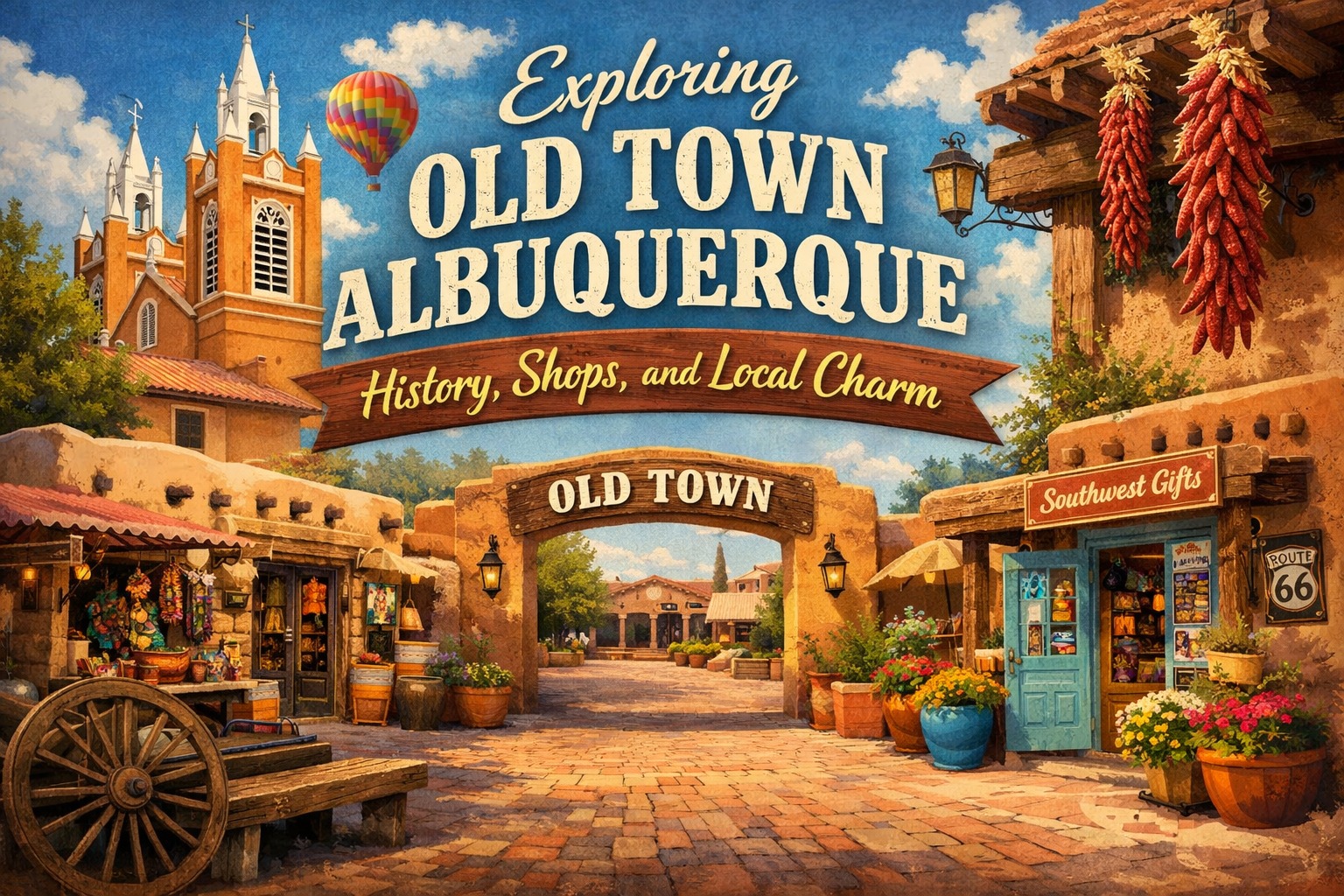
Old Town Albuquerque is one of the best places to begin if you want to understand the city. It was Albuquerque’s first neighborhood, and centuries after its founding, it remains a center for culture, architecture, shopping, art, and cuisine. That alone makes it worth visiting, but what really gives Old Town its appeal is how naturally it blends history with present-day life.
What makes Old Town stand out is its walkability. Instead of feeling like a district you only drive through, it invites you to slow down. The adobe-style buildings, shaded plaza, narrow streets, and central church give the area a sense of place that feels distinctly New Mexican. For first-time visitors, it is one of the easiest places in Albuquerque to experience the city’s roots while still enjoying shops, restaurants, and museums in one compact area.
The history here is not hidden in the background. It is the main attraction. Walking through Old Town feels different from walking through a newer commercial district because you can sense that the area has been central to Albuquerque life for generations. You are not simply visiting a cluster of stores. You are spending time in the place where the city began.
One of the most recognizable landmarks in the district is San Felipe de Neri Church, which anchors the plaza and helps define the visual identity of Old Town. Even if you are not planning a formal history tour, the church and the surrounding plaza immediately show how closely Albuquerque’s cultural and architectural identity are tied to its past.
Old Town is also one of Albuquerque’s best shopping districts. The area is full of galleries, boutiques, artisan shops, souvenir stores, and places that lean heavily into regional style. That makes it especially appealing for visitors who want their shopping to feel connected to the place they are visiting rather than generic.
The shopping experience feels more personal than what you get in a standard retail area. Southwestern pottery, Native American jewelry, woven goods, local artwork, and regionally themed gifts all appear throughout the neighborhood. Even the souvenir shopping tends to feel more thoughtful because so much of it reflects Albuquerque and the broader Southwest more directly.
Art is another major part of the Old Town experience. The district includes galleries and creative spaces that reinforce how closely Albuquerque’s visual culture is tied to history, local materials, and regional identity. Old Town is not just historic. It is still creatively active, and that keeps it from feeling like a preserved backdrop.
Beyond shopping and strolling, Old Town also gives visitors easy access to museums. That makes it especially appealing for first-time travelers who want more than photos and souvenirs. You can wander the plaza, eat lunch, browse galleries, and then step into a museum for deeper context about Albuquerque and the Southwest.
Old Town also stays lively because it is not locked into one season. Different times of year bring their own events, celebrations, and atmosphere, which helps the area continue functioning as a real community space rather than only a visitor destination. That gives it a warmth many historic districts struggle to maintain.
Another reason Old Town works so well for visitors is flexibility. You can make it a quick stop for coffee and shopping, or turn it into a fuller day with museums, lunch, galleries, and a walking tour. It adapts well to different travel styles, which is one reason it remains one of Albuquerque’s most reliable destinations.
In the end, Old Town Albuquerque is worth exploring because it gives visitors a little bit of everything that makes the city memorable. It has real history, distinctive architecture, local shops, regional art, nearby museums, and a slower pace that encourages you to look around instead of rush through. More than 300 years after its founding, it remains one of the clearest expressions of Albuquerque’s identity.
