
Why Albuquerque Is One of the Most Unique Cities in the Southwest
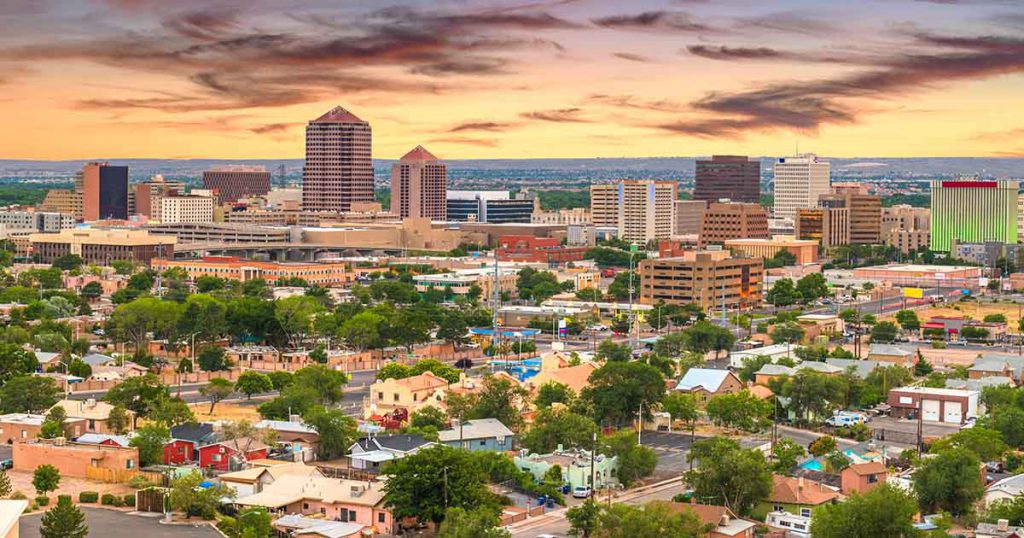
Albuquerque stands out in the Southwest because it feels layered, not manufactured. Some cities are easy to define with one quick phrase, but Albuquerque resists that. It is historic without feeling stuck in the past, artistic without feeling performative, and outdoorsy without losing its urban identity. It sits in the high desert beneath the Sandia Mountains, shaped by Native, Hispanic, Mexican, and Anglo influences that still show up in everyday life. That combination gives Albuquerque a personality that is difficult to copy and easy to remember.
One of the first things that makes Albuquerque feel different is its landscape. The city is framed by the Sandia Mountains to the east and crossed by the Rio Grande, which means dramatic scenery is not just outside town, it is built into daily life. The sunsets can be intense, the sky often feels huge, and the contrast between mountain, river corridor, and desert gives the city a look that changes throughout the day. In many places, nature feels like a nearby attraction. In Albuquerque, it feels like part of the city’s identity.
That physical setting shapes the pace of life here. Albuquerque is large enough to have museums, neighborhoods, restaurants, and major events, but it still feels more open and breathable than many comparably sized cities. You can have coffee in town, be on a hiking trail soon after, and still make it back in time for dinner in Old Town or Nob Hill. That balance between city life and outdoor access is one of the reasons Albuquerque appeals to people who want convenience without constant congestion.
Another reason Albuquerque is unique is its cultural depth. The city’s identity is not built from one single influence. Pueblo culture, Hispanic traditions, Spanish colonial history, Mexican heritage, Route 66 nostalgia, and modern Southwestern creativity all overlap here. You can see it in the architecture, hear it in the language, taste it in the food, and feel it in the way neighborhoods differ from one another. Albuquerque does not present culture as a theme. It feels lived in.
Old Town is a perfect example of that. It remains one of the clearest expressions of the city’s historic roots, with adobe-style buildings, a central plaza, local shops, galleries, and a pace that encourages walking rather than rushing. But Albuquerque’s character is not limited to one district. Nob Hill has a different energy, with a more modern and design-forward feel. The Barelas and South Valley areas reflect older local traditions and strong community identity. The Foothills and North Valley offer still other versions of Albuquerque life. The city feels varied, which keeps it from becoming predictable.
Food is another major reason Albuquerque feels distinct. New Mexican cuisine is not the same as Mexican food, Tex-Mex, or generic Southwestern food. It has its own ingredients, traditions, and flavors, and chile sits at the center of that identity. Red chile and green chile are more than condiments here. They are part of the city’s language and personality. A meal in Albuquerque often tells you something about the place, whether you are eating breakfast burritos, carne adovada, enchiladas, tamales, or a green chile cheeseburger.
Albuquerque also has a creative side that gives it more texture than many visitors expect. There are museums, murals, artisan shops, cultural centers, public events, and a visual character that feels deeply tied to New Mexico. The city’s art scene does not feel detached from place. It feels informed by the desert, the sky, the history, and the communities that shape the region. That is part of why Albuquerque often leaves a stronger impression than cities that may look more polished at first glance.
Then there is the Balloon Fiesta, which has become one of Albuquerque’s defining images. Plenty of cities have a signature event, but Albuquerque’s connection to ballooning feels unusually natural. The weather, geography, and open skies all contribute to why ballooning works so well here, and the sight of balloons rising over the city has become a symbol of Albuquerque itself. It is not just a famous festival. It feels like an extension of the landscape and the atmosphere of the place.
Another thing that makes Albuquerque unique is that it can feel both relaxed and intense at the same time. It has a laid-back rhythm in many parts of daily life, yet the scenery is dramatic, the history is deep, and the culture is vivid. That contrast gives the city an edge. It is not sleepy, but it is not frantic either. It has enough energy to stay interesting while still leaving room to breathe.
Albuquerque is also one of the most accessible ways to experience the Southwest without reducing it to clichés. It offers adobe architecture, mountain views, chile, art, Indigenous culture, and historic neighborhoods, but it also feels like a working, lived-in city rather than a postcard version of the region. That balance matters. It gives visitors and residents a more honest experience of place.
In the end, Albuquerque is one of the most unique cities in the Southwest because it is not built around one attraction or one easy label. It is a city of overlap: old and new, urban and outdoorsy, artistic and practical, historic and evolving. The mountains, the food, the culture, the neighborhoods, and the atmosphere all work together to create something that feels unmistakably Albuquerque. And once you spend time there, it is hard to confuse it with anywhere else.
